Services


CAPEX Solar Model
In the CAPEX or Capital Expenditure model, the consumer pays for the equipment, installation, operation, and maintenance of the solar energy system. In short, the consumer bears the capital expenditure of the solar installation.
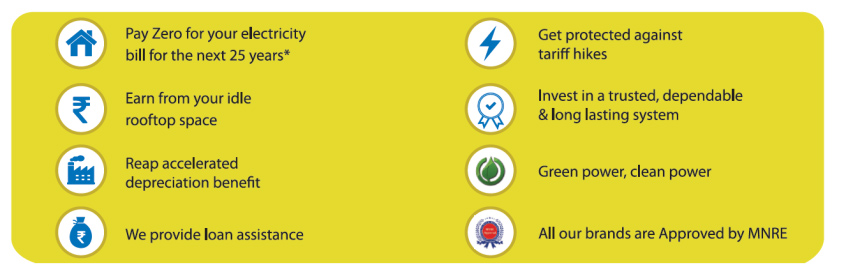
While cost-intensive, the CAPEX model gives the consumer complete rights to their solar asset. This right comes with tax and depreciation benefits along with the ability to send the excess energy back into the grid and be compensated for it.
Consumers also have the option of availing a solar loan, which slashes the financial burden of investing in solar without compromising on the benefits.
The CAPEX model is for those who have the required capital to make the full investment in solar. With energy savings, consumers can recover this initial investment within 5–6 years.
Advantages of CAPEX
- Complete ownership of the system, thus access to tax benefits, government subsidies, and rebates
- Faster return on investment
- Full protection against rising electricity tariffs for at least 25 years
Disadvantages
- High initial investment
- Since the consumer has complete rights to the plant, they also have to bear the risks and uncertainties involved
OPEX Solar Model
OPEX or Open Expenditure shifts the responsibility of the solar plant to a third party and makes up for the drawbacks of CAPEX installation.
A consumer who wants to switch to clean energy but doesn’t have the capital ready to make the transition can ask a Renewable Energy Service Company (RESCO) to set up a solar plant.
The consumer provides the space, and the developer invests in the equipment, installation, commissioning, and maintenance of the plant. This type of installation is also called a land lease model.
What does the consumer get out of it?
Cheaper and risk-free electricity!
The consumer enters into a Power Purchase Agreement (PPA) with the solar developer for a fixed tenure (between 15–25 years). During this period, the developer will provide energy at a negotiated tariff, which is cheaper than grid power.
Once the PPA expires, the rights of the solar plant are transferred to the consumer at zero cost.
Advantages of OPEX
- The consumer only pays for the electricity
- The investment and performance risk is borne by a third party
- The developer takes care of the operations and management of the plant
Disadvantages
- The developer avails the tax benefits and rebates
- Longer breakeven period
- The consumer has no control over the electricity tariff